Management and Systems
Necessity, the Master
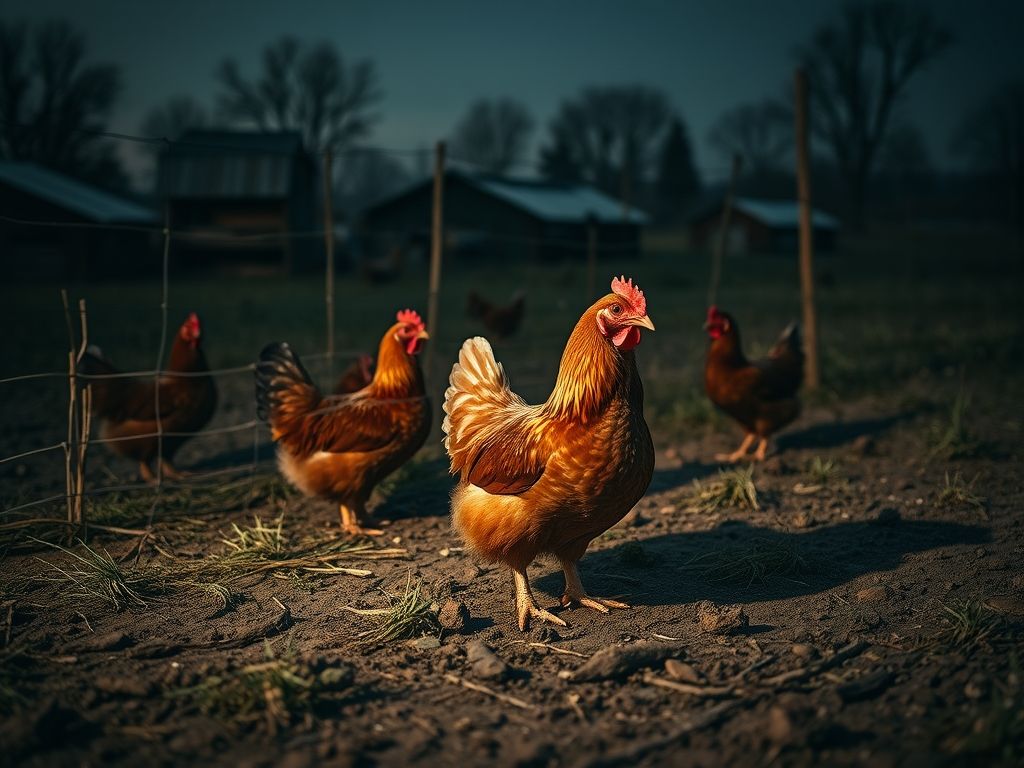
*The initial challenge: managing a farm with no prior knowledge in a demanding environment.*
The Challenge: A New World
In 2018, I went to southern Chile to manage a poultry farm, something completely new to me. Necessity became my greatest teacher, forcing me to learn from scratch about animal husbandry, nutrition, and proper sanitation practices.
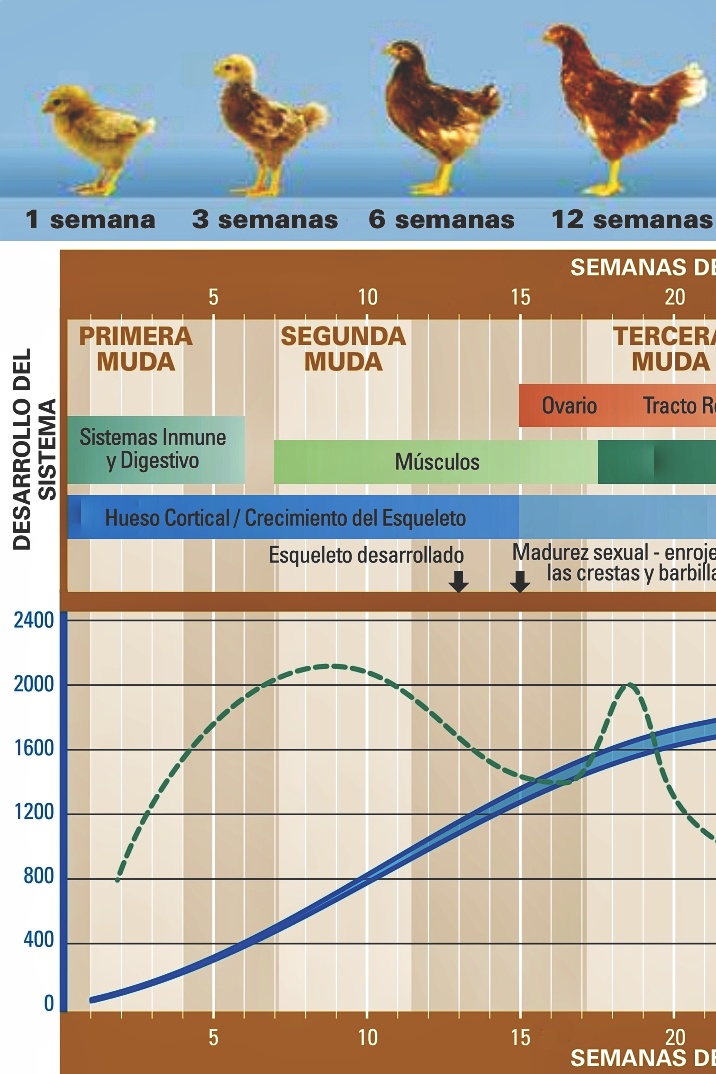
*From theory to construction: creating the conditions for success.*
Learn, Plan, Act
I researched. I learned about diets, vaccines, and optimal handling conditions. We built 12m x 3m incubators using greenhouse plastic to achieve 80% humidity. To maintain 33°C in winter, we used industrial gas heaters.
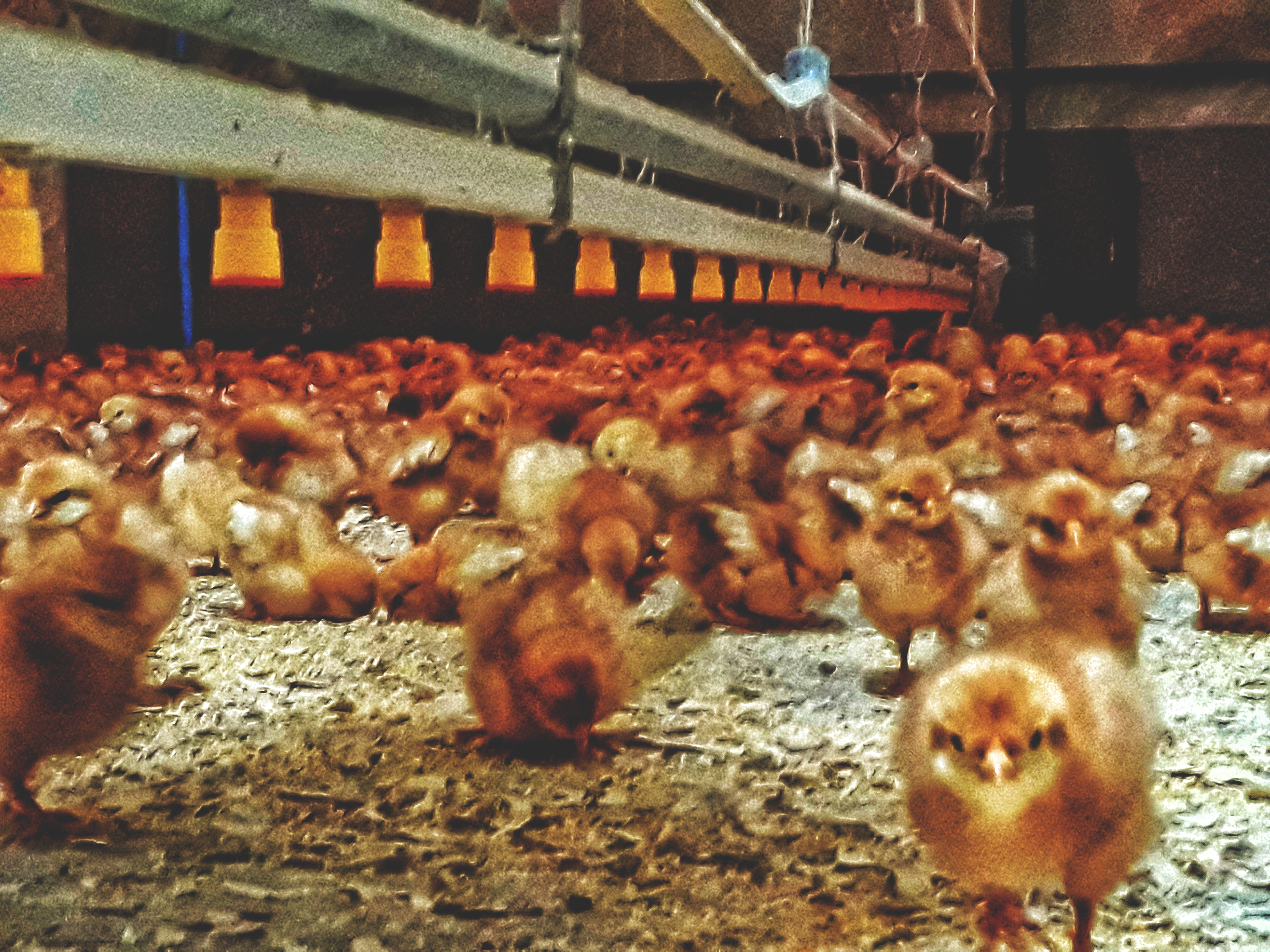
*Nipple automation allowed us to significantly reduce work time.*
Building Systems from Scratch
I implemented a rigorous system for tracking progress and recording key events like weekly weight gain. With a novel nipple system, we automated the water supply, which significantly reduced work time. Every step was measured. I learned that the key is to understand needs and create adaptive solutions.
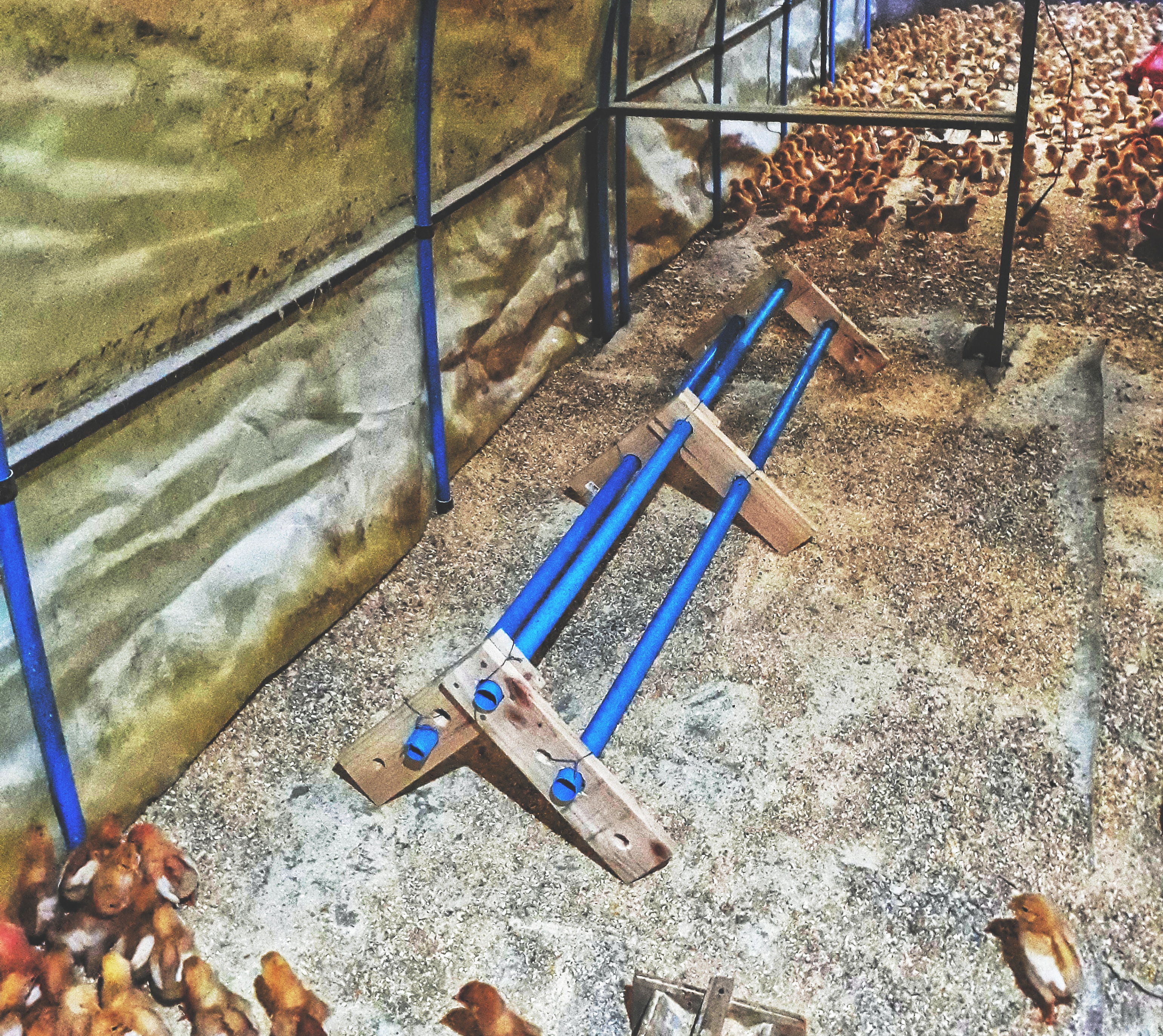
*Informed decisions allowed me to take preemptive actions. A real image of an adaptive dormitory to optimize space.*
From Data to Decisions
The system wasn't just for note-taking. By analyzing mortality patterns and potential causes, I reduced stress levels with simple infrastructure, like dormitories and feeders made of PVC and wood. Every decision was informed. I was able to anticipate problems and stop 'putting out fires' to start managing proactively.
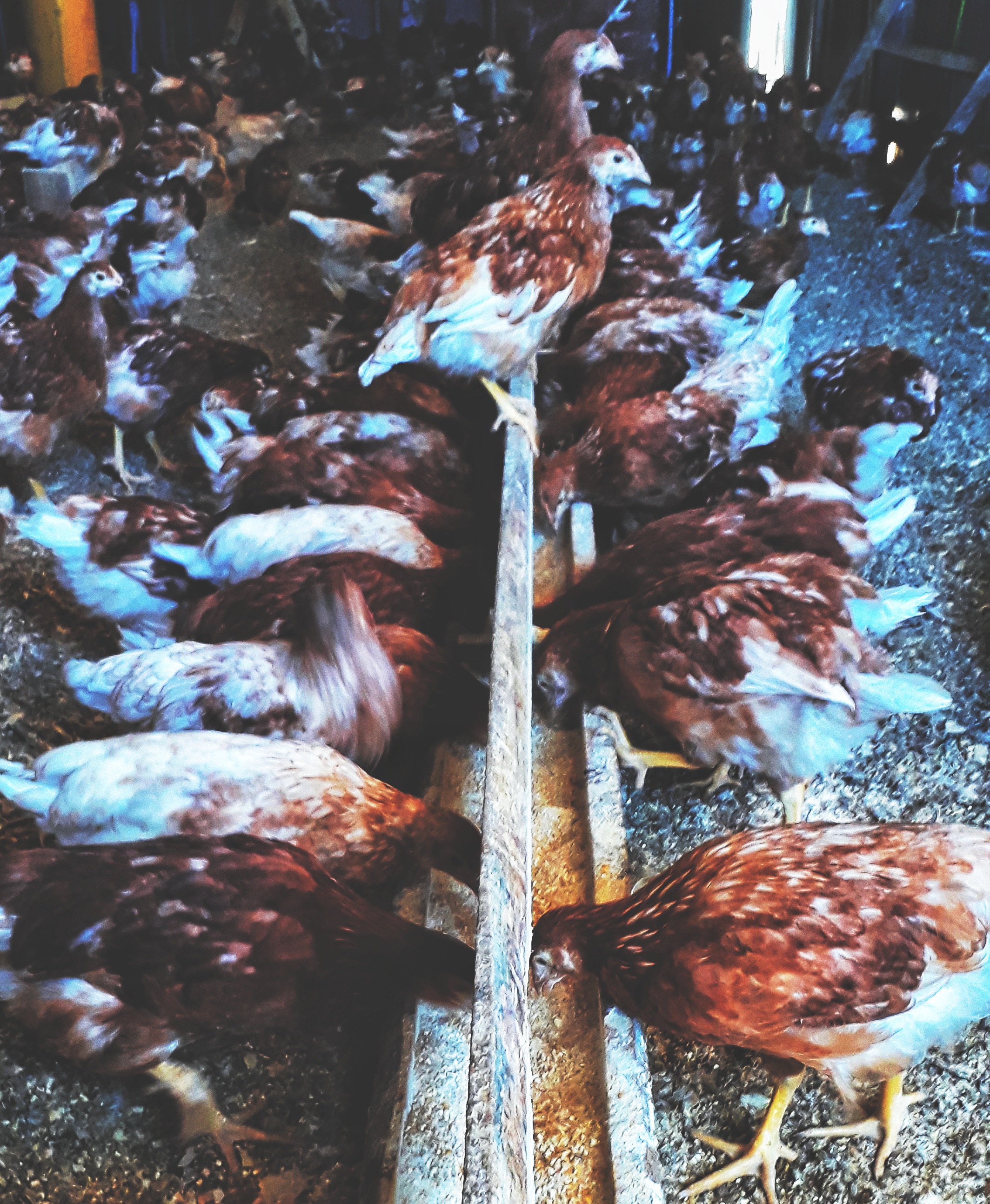
*Adaptive feeders for age and weight made with wood and nails. Simplicity as a solution: a lesson learned in the field.*
The Simple Solution
I discovered that the most complex solutions are not always the best. Sometimes, a small adjustment in the feeding schedule or ventilation, based on data, had a greater impact than a costly investment. The key was observation and constant iteration.
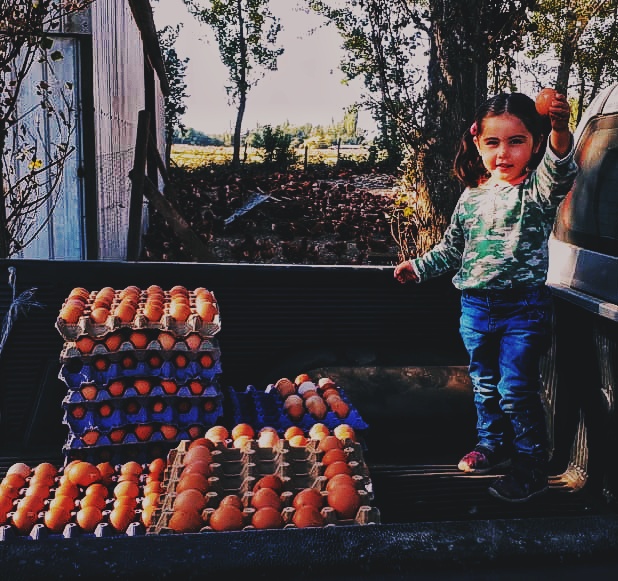
*The data doesn't lie: process optimization translated into measurable results and deep learning.*
Result: Efficiency and Learning
The result was an egg production rate of 70%, with the optimum being 80%. The learning was continuous, and I had the opportunity to improve processes. I understood that, regardless of the field, success lies in the ability to analyze a problem, design a system, and execute it with precision. This experience was my true introduction to design thinking.
Interested in collaborating?
If you liked how I approached this challenge, imagine what we can do together.
Let's talk about your problem or your next project.